
Bilateral Tubal Ligation (BTL)
Obstetrics and Gynecology Associates Of Central Florida
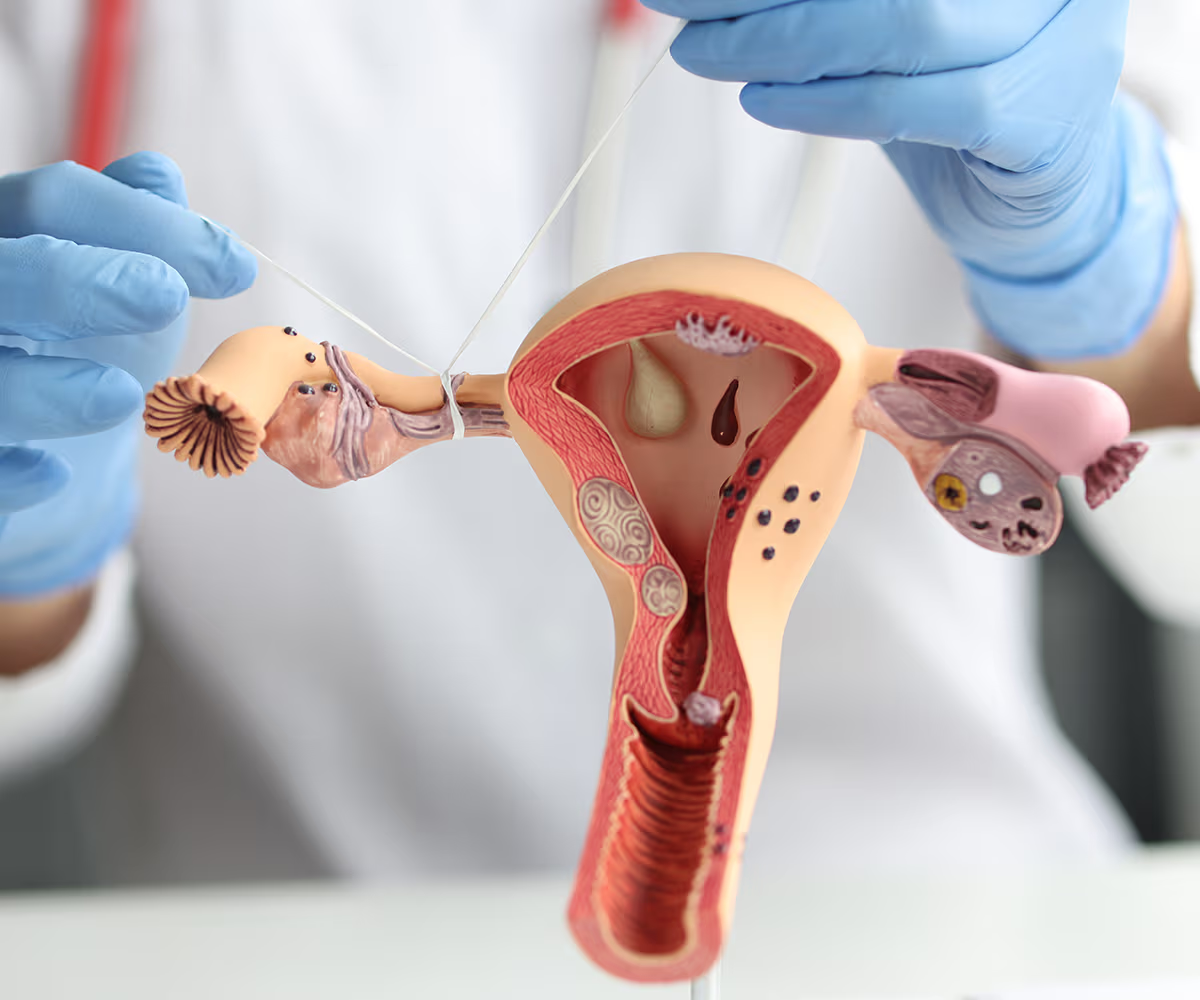
Bilateral Tubal Ligation (BTL): Procedure Overview
Bilateral Tubal Ligation (BTL), often referred to as “having your tubes tied,” is a permanent form of birth control for women who are certain they do not want to become pregnant in the future. The procedure works by blocking, cutting, or sealing the fallopian tubes so that sperm cannot reach an egg.
BTL is a common and highly effective procedure that may be performed after childbirth, during a cesarean section, or as a scheduled outpatient surgery. It does not affect hormones, menstrual cycles, or sexual function.
Frequently Asked Questions (FAQ)
What is NovaSure used for?
NovaSure is used to treat abnormally heavy or prolonged menstrual bleeding when medications or other treatments have not been effective.
What is bilateral tubal ligation?
Bilateral tubal ligation is a surgical procedure that permanently prevents pregnancy by closing off both fallopian tubes.
How is the procedure performed?
BTL can be done using several methods, including:
- Cutting and tying the tubes
- Sealing the tubes with cautery
- Applying surgical clips or rings
- Removing a portion of the tubes (salpingectomy)
Your provider will recommend the best approach based on your situation.
When can tubal ligation be performed?
BTL may be performed:
- Shortly after vaginal delivery
- During a cesarean section
- As a scheduled laparoscopic outpatient procedure
Timing depends on medical history and patient preference.
How effective is bilateral tubal ligation?
BTL is over 99% effective at preventing pregnancy. It is considered one of the most reliable forms of permanent contraception.
Is bilateral tubal ligation reversible?
BTL is intended to be permanent. While reversal surgery may be possible in some cases, it is not guaranteed and is often costly. You should choose BTL only if you are confident you do not want future pregnancies.
Will tubal ligation affect my hormones or periods?
No. BTL does not affect hormone levels or cause menopause. Most women continue to have normal menstrual cycles.
What type of anesthesia is used?
The procedure is typically performed under general anesthesia for scheduled surgeries. If done after childbirth or during a C-section, anesthesia may already be in place.
What is recovery like?
Recovery depends on how the procedure is performed:
- Most patients return to normal activities within a few days to one week
- Mild abdominal discomfort, bloating, or shoulder pain (from laparoscopy) is common
- Heavy lifting and strenuous activity should be avoided for a short period
Are there risks or side effects?
BTL is safe, but potential risks include:
- Infection
- Bleeding
- Injury to nearby organs
- Anesthesia complications
Your provider will review all risks before surgery.
Can I still get pregnant after a tubal ligation?
Pregnancy is rare but possible. If pregnancy occurs, there is a higher risk of ectopic pregnancy, which requires immediate medical attention.
Does tubal ligation protect against STIs?
No. BTL does not protect against sexually transmitted infections (STIs). Condoms are recommended for STI prevention.
Will tubal ligation affect my sex drive?
No. Tubal ligation does not affect libido or sexual performance. Some patients report increased peace of mind knowing pregnancy is no longer a concern.
Is bilateral tubal ligation covered by insurance?
Many insurance plans cover BTL, especially when performed postpartum or as part of family planning. Coverage varies, and our office can help verify benefits.