Nutrition During Pregnancy
Obstetrics and Gynecology Associates Of Central Florida
Nutrition During Pregnancy: Overview
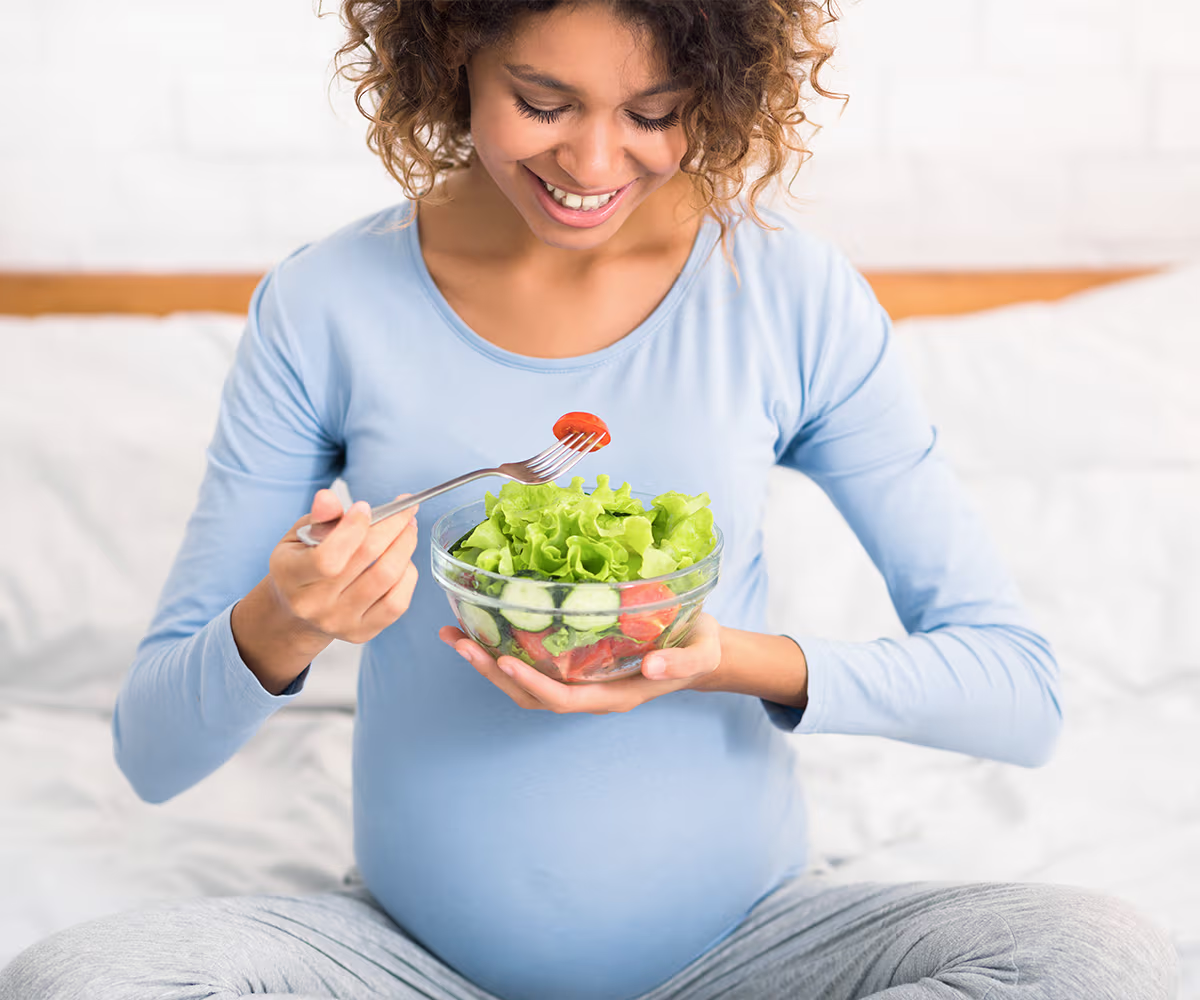
Good nutrition during pregnancy plays a vital role in your baby’s growth and development and helps support your own health throughout pregnancy and beyond. Eating a balanced diet rich in essential nutrients can reduce the risk of complications, support healthy weight gain, and provide the energy your body needs.
During pregnancy, your body requires additional calories, protein, vitamins, and minerals — especially folic acid, iron, calcium, vitamin D, choline, and omega-3 fatty acids. According to the American College of Obstetricians and Gynecologists (ACOG), most pregnant women need about 340 extra calories per day in the second trimester and 450 extra calories per day in the third trimester, depending on individual factors.
A healthy pregnancy diet focuses on whole foods including fruits, vegetables, lean proteins, whole grains, and healthy fats, while limiting processed foods, added sugars, and excessive sodium.
Our goal is to help you feel confident about your food choices and ensure you and your baby receive the nutrients needed for a healthy pregnancy.
Frequently Asked Questions (FAQ)
What nutrients are most important during pregnancy?
Key nutrients include:
- Folic acid – Helps prevent neural tube defects
- Iron – Supports increased blood volume and prevents anemia
- Calcium – Builds baby’s bones and teeth
- Vitamin D – Supports bone health and immune function
- Choline – Important for brain development
- Omega-3 fatty acids (DHA) – Supports brain and eye development
- Protein – Essential for tissue growth
A prenatal vitamin is recommended to help fill nutritional gaps.
How much weight should I gain during pregnancy?
Healthy weight gain depends on your pre-pregnancy Body Mass Index (BMI). In general:
- Underweight: 28–40 pounds
- Normal weight: 25–35 pounds
- Overweight: 15–25 pounds
- Obesity: 11–20 pounds
Your provider will help you determine a healthy target range.
What foods should I avoid during pregnancy?
To reduce the risk of foodborne illness and other complications, avoid:
- Raw or undercooked meat, poultry, and seafood
- Unpasteurized dairy products and juices
- Raw sprouts
- Deli meats unless heated thoroughly
- High-mercury fish (such as shark, swordfish, king mackerel, tilefish)
Always wash fruits and vegetables thoroughly.
How much water should I drink?
Aim for about 8–12 cups of water per day. Staying hydrated supports circulation, amniotic fluid levels, digestion, and helps prevent constipation and headaches.
Is caffeine safe during pregnancy?
Moderate caffeine intake — generally less than 200 mg per day (about one 12-ounce cup of coffee) — is considered safe for most pregnant women. Discuss your intake with your provider.
Do I need extra calories in the first trimester?
Most women do not need additional calories in the first trimester. Focus instead on nutrient-dense foods, especially if nausea limits intake.
What if I have morning sickness and can’t eat well?
Small, frequent meals can help. Bland foods such as crackers, toast, rice, bananas, and applesauce may be easier to tolerate. Staying hydrated is especially important. If vomiting is severe or persistent, contact your provider.
Can I follow a vegetarian or vegan diet during pregnancy?
Yes, but careful planning is important to ensure adequate protein, iron, vitamin B12, calcium, and omega-3 intake. Let your provider know about your dietary preferences so we can guide you appropriately.
Can nutrition help prevent pregnancy complications?
A balanced diet may help lower the risk of:
- Gestational diabetes
- High blood pressure
- Anemia
- Excessive weight gain
Healthy eating also supports better energy levels and postpartum recovery.
Should I take a prenatal vitamin?
Yes. A daily prenatal vitamin is recommended before and throughout pregnancy to ensure adequate intake of folic acid, iron, and other key nutrients. Your provider can recommend one that meets your specific needs.
Our Approach to Pregnancy Nutrition
We believe nutrition is one of the most powerful tools for supporting a healthy pregnancy. Our team provides personalized guidance based on your health history, lifestyle, and individual needs.
If you have questions about pregnancy nutrition or would like individualized dietary recommendations, contact our office — we are here to support you every step of the way.