
Exercise During Pregnancy
Obstetrics and Gynecology Associates Of Central Florida
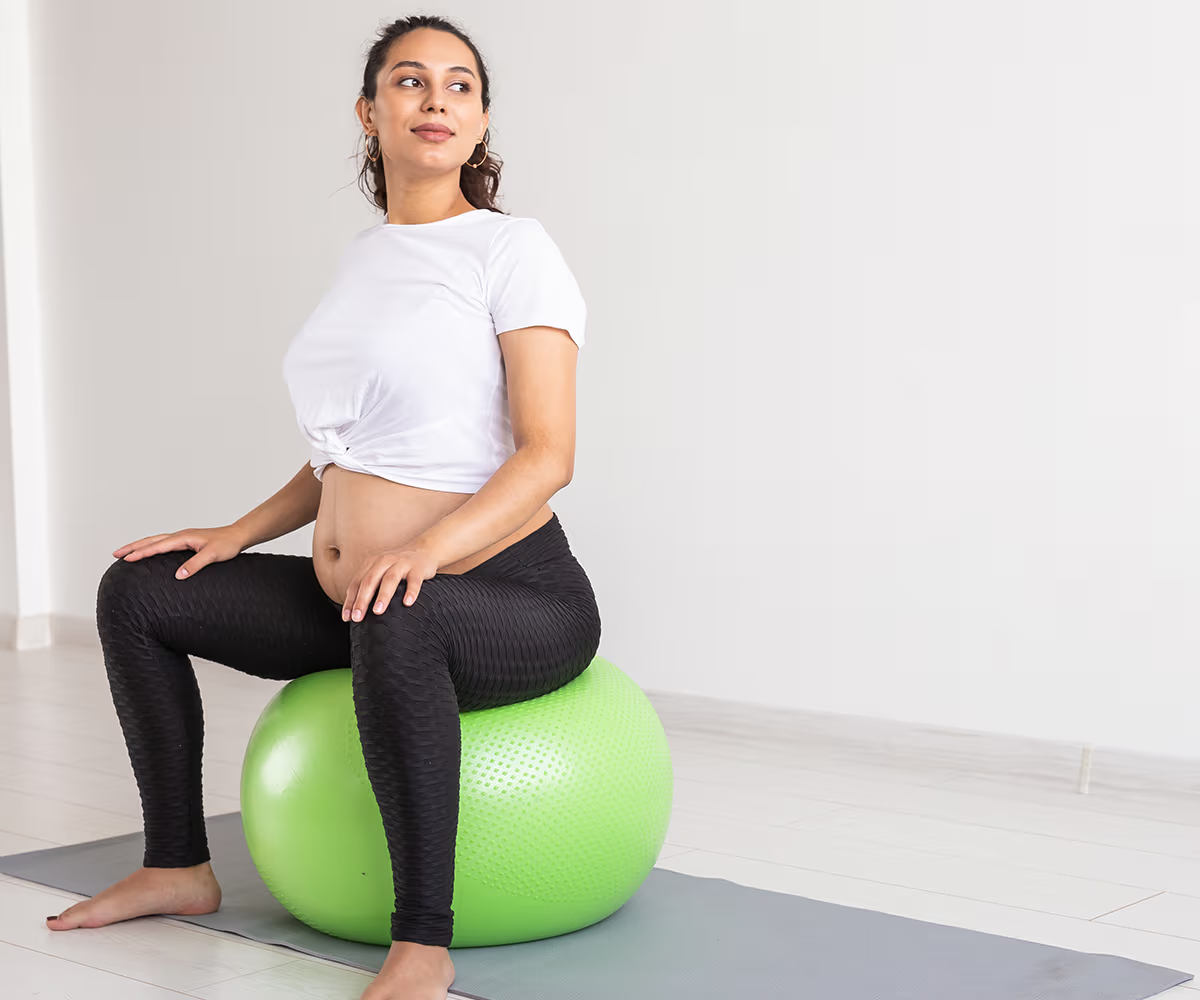
Exercise During Pregnancy: Overview
Exercise during pregnancy is one of the best ways to support a healthy pregnancy, prepare your body for labor, and improve postpartum recovery. For most women with uncomplicated pregnancies, regular physical activity is safe and highly recommended.
Staying active can help reduce back pain, improve sleep, decrease stress, prevent excessive weight gain, lower the risk of gestational diabetes and high blood pressure, and boost overall mood and energy levels.
According to the American College of Obstetricians and Gynecologists (ACOG), pregnant women without medical complications should aim for at least 150 minutes of moderate-intensity aerobic activity per week.
Before starting or continuing an exercise routine, always talk with your provider to ensure your plan is safe for your specific pregnancy.
Frequently Asked Questions (FAQ)
Is exercise safe during pregnancy?
For most women, yes. Exercise is safe and beneficial in uncomplicated pregnancies. However, certain conditions — such as placenta previa, severe anemia, significant heart or lung disease, or risk of preterm labor — may require activity restrictions. Always check with your provider first.
What types of exercise are recommended?
Safe and effective activities typically include:
- Walking
- Swimming
- Stationary cycling
- Prenatal yoga
- Low-impact aerobics
- Light strength training
These activities improve cardiovascular health and muscle tone while minimizing fall risk.
What exercises should I avoid?
Avoid activities that involve:
- High risk of falling (skiing, horseback riding, gymnastics)
- Contact sports (soccer, basketball)
- Scuba diving
- Exercising flat on your back after the first trimester
- Overheating, especially in hot or humid environments
If you’re unsure, ask your provider before participating.
How hard should I be exercising?
Moderate intensity is recommended. A simple guide is the “talk test” — you should be able to carry on a conversation while exercising. If you’re too breathless to speak comfortably, slow down.
Can I continue my pre-pregnancy workout routine?
In many cases, yes. If you were active before pregnancy, you may continue most activities with modifications as needed. However, intensity and positioning may need adjustment as your pregnancy progresses.
Are there warning signs to stop exercising?
Stop exercising and contact your provider if you experience:
- Vaginal bleeding
- Dizziness or fainting
- Chest pain
- Shortness of breath before exertion
- Severe headache
- Calf pain or swelling
- Regular, painful contractions
- Leakage of fluid
Does exercise help with labor and delivery?
Yes. Regular exercise can improve endurance, muscle strength, and flexibility, which may help during labor. It may also reduce the likelihood of cesarean delivery and support faster postpartum recovery.
Can exercise prevent pregnancy complications?
While not guaranteed, regular physical activity has been shown to lower the risk of:
- Gestational diabetes
- Preeclampsia
- Excessive weight gain
Exercise also supports better blood sugar control and cardiovascular health.
When should I start exercising?
You can begin at any time during pregnancy after speaking with your provider. If you’re new to exercise, start slowly — 10 to 15 minutes a day — and gradually increase duration and intensity.
What about postpartum exercise?
Most women can gradually resume activity after delivery, depending on the type of birth and any complications. Your provider will guide you on when it’s safe to return to exercise.
Our Philosophy on Pregnancy Wellness
We believe that movement is medicine. Our goal is to help you stay strong, confident, and healthy throughout your pregnancy with safe, personalized guidance tailored to your needs.
If you have questions about exercise or would like help building a safe pregnancy fitness plan, contact our office — we’re here to support you every step of the way.