
Mammogram
Obstetrics and Gynecology Associates Of Central Florida
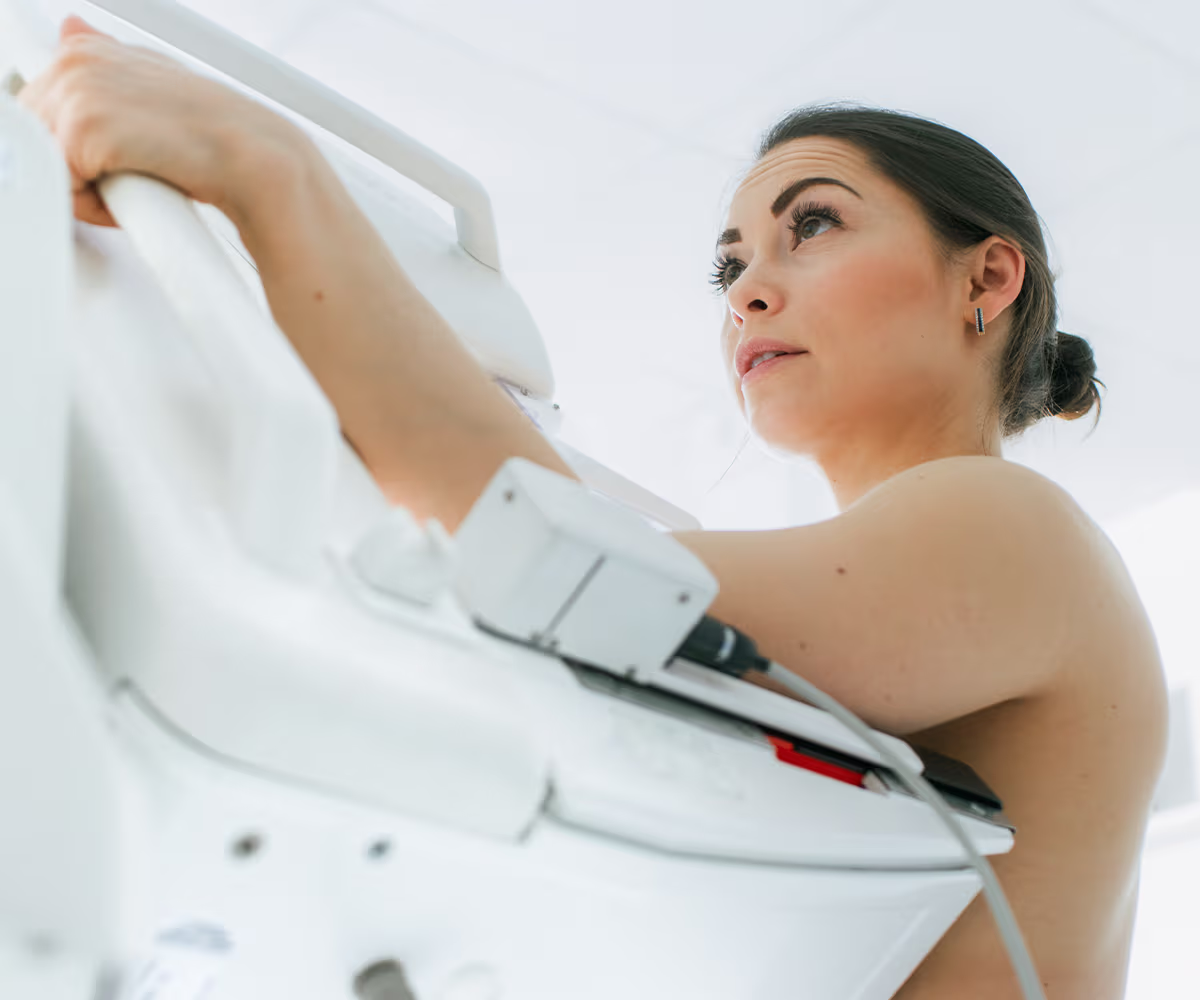
Mammogram: Procedure Overview
A mammogram is a low-dose X-ray of the breast used to detect early signs of breast cancer—often before symptoms develop. It is one of the most important screening tools for women’s health and plays a critical role in early detection, when breast cancer is most treatable.
There are two main types of mammograms:
- Screening mammogram – performed routinely to check for breast cancer in women without symptoms
- Diagnostic mammogram – performed when there is a breast concern, such as a lump, pain, or an abnormal screening result
Mammograms are quick, safe, and typically completed within 20 minutes.
Frequently Asked Questions (FAQ)
Why is a mammogram important?
-
Mammograms can detect breast cancer years before it can be felt. Early detection improves treatment options and survival rates.
When should I start getting mammograms?
Most guidelines recommend starting routine screening at age 40, but recommendations may vary based on personal or family history. Your provider will help determine the right screening schedule for you.
How is a mammogram performed?
During the exam:
- You stand in front of the mammography machine
- Your breast is placed on a flat surface
- A second plate gently compresses the breast
- X-ray images are taken from different angles
The compression lasts only a few seconds and helps produce clear images.
Is a mammogram painful?
You may feel pressure or mild discomfort during compression, but it lasts only a few seconds. Scheduling your mammogram when your breasts are less tender (such as after your period) may help.
How long does the appointment take?
The imaging portion typically takes 10–20 minutes.
What is 3D mammography?
3D mammography (tomosynthesis) takes multiple images of the breast from different angles, creating a layered view. It improves detection rates and reduces call-backs, especially in women with dense breast tissue.
What if I have dense breasts?
Dense breast tissue is common and can make mammograms harder to interpret. Your provider may recommend additional imaging, such as breast ultrasound or MRI, if needed.
How should I prepare for my mammogram?
- Do not wear deodorant, powder, or lotion on your chest or underarms
- Wear a two-piece outfit for convenience
- Inform your provider if you are pregnant or breastfeeding
When will I get my results?
Results are typically available within a few days. You will receive a report explaining the findings, and your provider will contact you if follow-up is needed.
What does it mean if I’m called back?
A call-back does not mean you have cancer. It usually means additional images are needed for clarification. Most call-backs do not result in a cancer diagnosis.
Do mammograms detect all breast cancers?
Mammograms are highly effective but not perfect. Some cancers may not be visible, especially in dense breast tissue. Regular screenings and clinical exams remain important.
Is a mammogram covered by insurance?
Most insurance plans cover annual screening mammograms starting at age 40. Coverage varies by plan.
When should I call my provider?
Contact your provider if you notice:
- A new breast lump
- Nipple discharge
- Skin dimpling or changes
- Persistent breast pain
Do not wait for your annual screening if you have new symptoms.
Early Detection Saves Lives
Regular mammograms are one of the most powerful tools for protecting your breast health. If you are due for screening or have a concern, schedule your appointment today.