
Colposcopy
Obstetrics and Gynecology Associates Of Central Florida
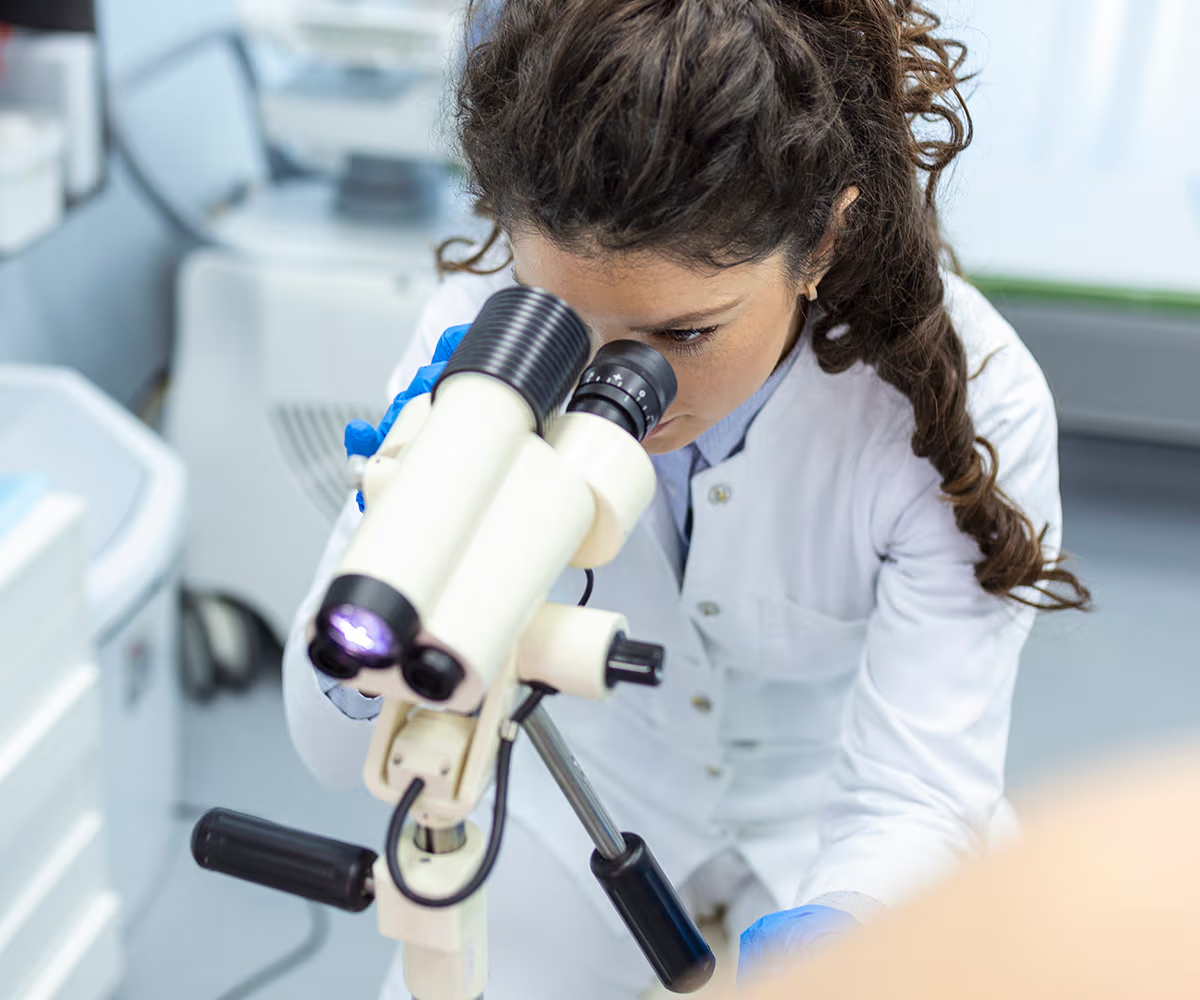
Colposcopy: Procedure Overview
A colposcopy is a diagnostic procedure that allows your healthcare provider to take a closer look at the cervix, vagina, and vulva using a special magnifying instrument called a colposcope. It is most often recommended after an abnormal Pap test or HPV test.
The colposcope stays outside the body and provides a bright, magnified view so your provider can identify abnormal cells. If needed, a small tissue sample (biopsy) may be taken for further testing. A colposcopy is typically performed in the office and does not require anesthesia.
Frequently Asked Questions (FAQ)
Why do I need a colposcopy?
A colposcopy is recommended to:
- Evaluate an abnormal Pap smear
- Follow up on a positive HPV test
- Examine abnormal cervical, vaginal, or vulvar findings
- Determine whether a biopsy is needed
An abnormal screening result does not mean you have cancer.
What happens during a colposcopy?
During the procedure:
- You will lie on an exam table like a pelvic exam
- A speculum is placed to view the cervix
- The provider uses the colposcope to examine the area
- A mild solution is applied to highlight abnormal cells
- A biopsy may be taken if needed
The exam usually takes 10–20 minutes.
Is a colposcopy painful?
Most patients feel little to no pain. You may feel mild pressure from the speculum and brief cramping if a biopsy is taken.
Do I need to prepare for a colposcopy?
To prepare, you should:
- Avoid vaginal intercourse, tampons, or vaginal medications for 24–48 hours beforehand
- Schedule the exam when you are not on your period, if possible
- Take an over-the-counter pain reliever before the appointment if recommended
Will a biopsy always be done?
Not always. A biopsy is only performed if your provider sees an area that needs closer evaluation.
What is recovery like after a colposcopy?
- You can usually return to normal activities right away
- Mild spotting or dark discharge is common after a biopsy
- Avoid intercourse, tampons, and douching for a short time if a biopsy was taken
Your provider will give you specific aftercare instructions.
When will I get my results?
Biopsy results are typically available within 1–2 weeks. Your provider will contact you to discuss results and next steps.
What do colposcopy results mean?
Results may show:
- Normal cells
- Mild cell changes that may resolve on their own
- Precancerous changes requiring monitoring or treatment
Your provider will explain what your results mean for you.
Can I drive myself home afterward?
Yes. A colposcopy is an in-office procedure, and you can drive yourself home.
Are there risks with colposcopy?
Colposcopy is very safe. Rare risks include:
- Infection
- Heavy bleeding (especially after biopsy)
Contact your provider if you experience heavy bleeding, fever, or severe pain.
Does colposcopy affect fertility?
No. Colposcopy itself does not affect fertility.
Is colposcopy covered by insurance?
Most insurance plans cover colposcopy when medically indicated. Coverage varies, and our office can help verify benefits.
What if I’m pregnant?
Colposcopy can usually be safely performed during pregnancy. Biopsies are done only if necessary, and your provider will discuss the safest approach.