
Loop Electrosurgical Excision Procedure (LEEP)
Obstetrics and Gynecology Associates Of Central Florida
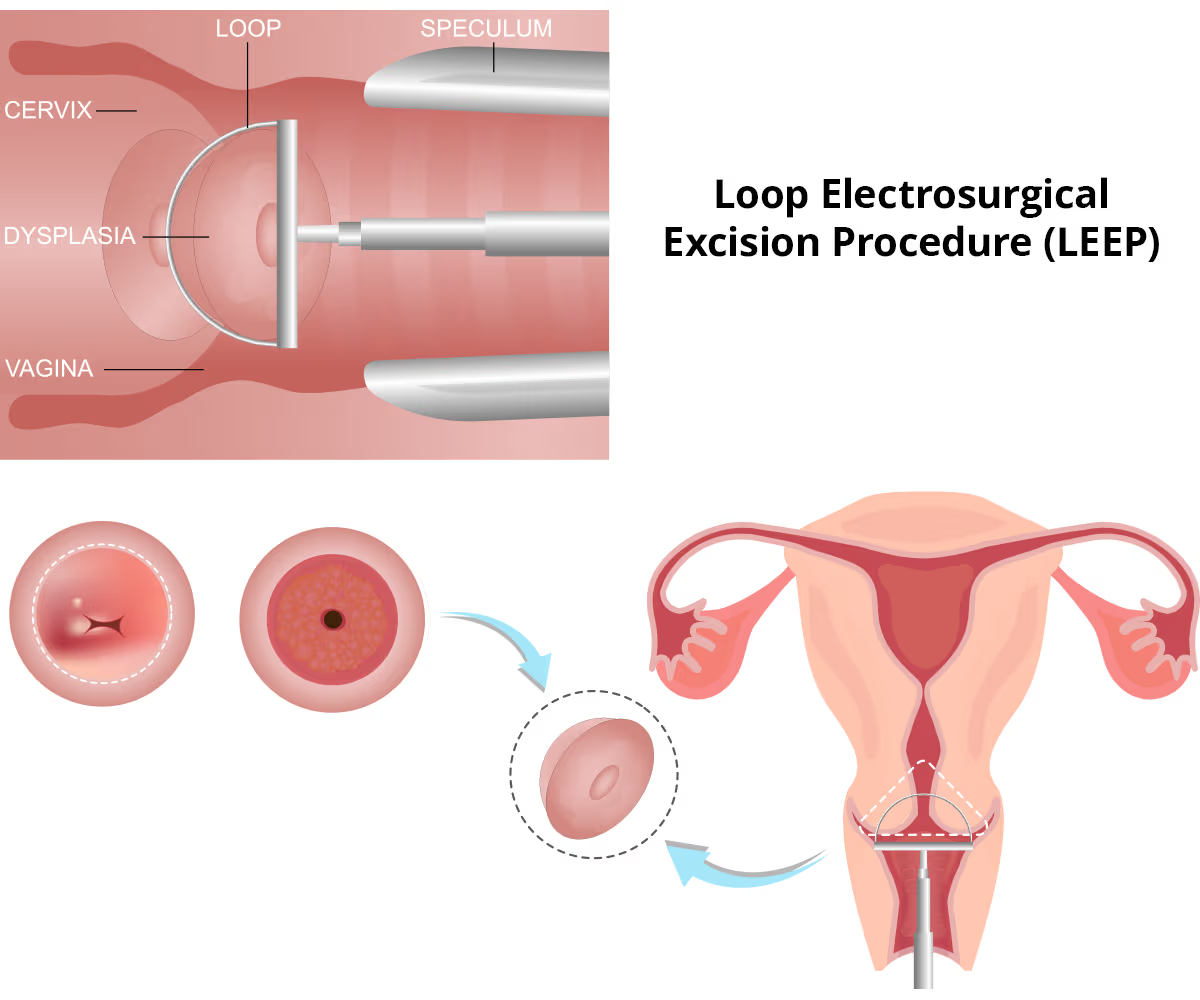
Loop Electrosurgical Excision Procedure (LEEP): Overview
The Loop Electrosurgical Excision Procedure (LEEP) is a minimally invasive treatment used to remove abnormal or precancerous cells from the cervix. It is commonly recommended after abnormal Pap smear, HPV test, or colposcopy results.
LEEP uses a thin wire loop that carries a low-voltage electrical current to gently remove the affected tissue. The procedure is performed in the office and typically takes only 10–20 minutes.
LEEP is highly effective at preventing cervical cancer by removing abnormal cells before they can progress.
Frequently Asked Questions (FAQ)
Why would I need a LEEP?
LEEP may be recommended if:
- A Pap smear shows moderate to severe abnormal cells
- A colposcopy biopsy confirms precancerous changes (CIN 2 or CIN 3)
- There are persistent abnormal cervical cell changes
LEEP helps prevent abnormal cells from developing into cervical cancer.
How is LEEP performed?
During the procedure:
- You lie on an exam table similar to a pelvic exam
- A speculum is placed to visualize the cervix
- Local anesthesia is injected to numb the area
- A thin wire loop removes the abnormal tissue
- A special solution may be applied to control bleeding
The removed tissue is sent to a laboratory for evaluation.
Is LEEP painful?
Most patients feel minimal discomfort because the cervix is numbed with local anesthesia. You may experience mild cramping during and after the procedure.
Do I need anesthesia?
LEEP is typically performed using local anesthesia only. You remain awake during the procedure.
What is recovery like?
After LEEP, you may experience:
- Mild cramping
- Light bleeding or spotting
- Dark discharge (from medication used to control bleeding)
Recovery is usually quick, and most patients return to normal activities within a day.
Your provider will recommend avoiding:
- Intercourse
- Tampons
- Douching
- Heavy lifting
for about 3–4 weeks to allow the cervix to heal.
When will I get my results?
-
Pathology results are usually available within 1–2 weeks. Your provider will discuss the findings and whether additional follow-up is needed.
Is LEEP effective?
- Yes. LEEP is highly effective in removing precancerous cervical cells and reducing the risk of cervical cancer.
Are there risks?
LEEP is very safe, but rare risks include:
- Infection
- Heavy bleeding
- Cervical scarring
- Slight increased risk of preterm birth in future pregnancies (depending on the amount of tissue removed)
Your provider will review risks and benefits with you.
Will LEEP affect my ability to get pregnant?
Most women have no issues with fertility after LEEP. In rare cases, cervical scarring may affect pregnancy, but this is uncommon.
Can I drive myself home?
Yes. Because only local anesthesia is used, most patients can drive themselves home after the procedure.
Will I need follow-up care?
Yes. Follow-up Pap smears and/or HPV testing are important to ensure abnormal cells do not return. Your provider will give you a personalized follow-up plan.
Is LEEP covered by insurance?
Most insurance plans cover LEEP when medically indicated. Coverage varies by plan.
When should I call my provider after LEEP?
Contact your provider if you experience:
- Heavy bleeding (soaking a pad every hour)
- Severe abdominal pain
- Fever over 100.4°F
- Foul-smelling discharge