
Intrauterine Device (IUD)
Obstetrics and Gynecology Associates Of Central Florida
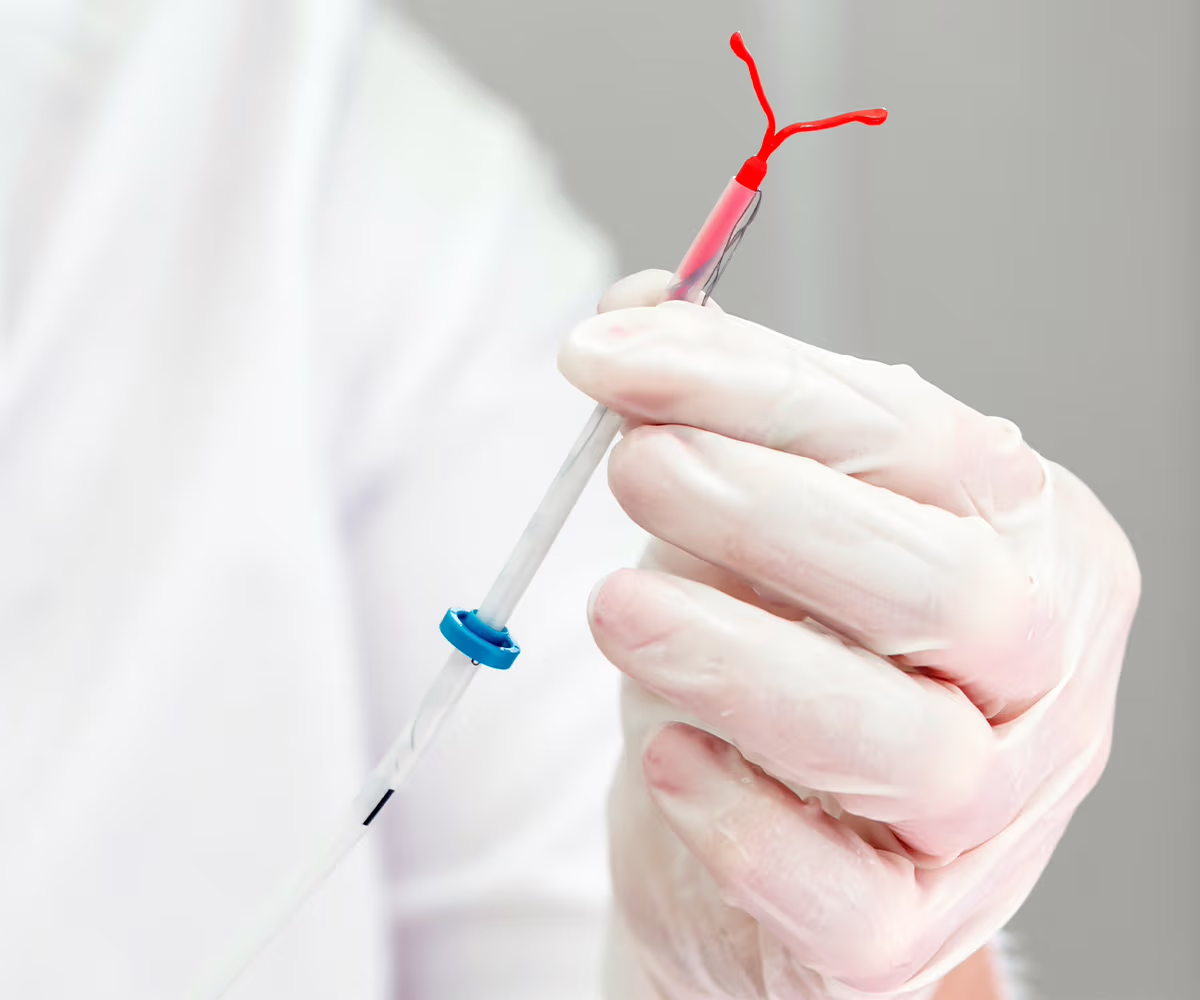
Intrauterine Device (IUD): Procedure Overview
An intrauterine device (IUD) is a small, T-shaped device placed inside the uterus to prevent pregnancy. It is one of the most effective forms of long-acting reversible contraception (LARC) available.
There are two main types of IUDs:
- Hormonal IUDs (release a small amount of progestin)
- Copper IUDs (non-hormonal)
IUDs are safe, highly effective (over 99%), and can provide pregnancy protection for 3 to 10 years, depending on the type. The device can be removed at any time if you wish to become pregnant.
Insertion is a quick in-office procedure that typically takes only a few minutes.
Frequently Asked Questions (FAQ)
How does an IUD work?
- Hormonal IUDs thicken cervical mucus, thin the uterine lining, and may prevent ovulation.
- Copper IUDs create an environment that prevents sperm from fertilizing an egg.
Both methods prevent pregnancy before it occurs.
How effective is an IUD?
IUDs are over 99% effective, making them one of the most reliable forms of birth control available.
How long does an IUD last?
Depending on the type:
- Hormonal IUDs: 3–8 years
- Copper IUD: up to 10 years
Your provider will discuss which option is best for you.
What happens during IUD insertion?
During the procedure:
- You lie on an exam table similar to a pelvic exam
- A speculum is placed
- The uterus is measured
- The IUD is inserted through the cervix into the uterus
The procedure typically takes 5 minutes or less.
Is IUD insertion painful?
You may feel cramping during and shortly after insertion. For most patients, discomfort is brief. Taking an over-the-counter pain reliever beforehand may help.
What is recovery like?
- Mild cramping and spotting for a few days is common
- Most patients return to normal activities the same day
- Your provider may schedule a follow-up visit to check placement
Will my periods change?
- Hormonal IUDs: Periods often become lighter and shorter. Some patients stop having periods altogether.
- Copper IUD: Periods may become heavier or more crampy, especially in the first few months.
Can I get pregnant after removing an IUD?
Yes. Fertility typically returns quickly after removal.
Can an IUD be used after childbirth?
Yes. An IUD can be placed immediately after delivery or at your postpartum visit, depending on your situation.
Does an IUD protect against STIs?
No. IUDs do not protect against sexually transmitted infections. Condoms are recommended for STI prevention.
What are the risks?
IUDs are very safe, but rare risks include:
- Expulsion (device coming out)
- Uterine perforation
- Infection
Your provider will review risks and benefits before placement.
Who is a good candidate for an IUD?
IUDs are appropriate for many women, including those who:
- Want long-term, reversible birth control
- Prefer low-maintenance contraception
- Cannot use estrogen-containing birth control
- Are breastfeeding
Is an IUD covered by insurance?
Many insurance plans cover IUD placement, often with little or no out-of-pocket cost. Coverage varies by plan.
When should I call my provider?
Contact your provider if you experience:
- Severe pelvic pain
- Fever
- Heavy bleeding
- Inability to feel the IUD strings
- Possible pregnancy symptoms