
Robotic & Vaginal Hysterectomies
Obstetrics and Gynecology Associates Of Central Florida
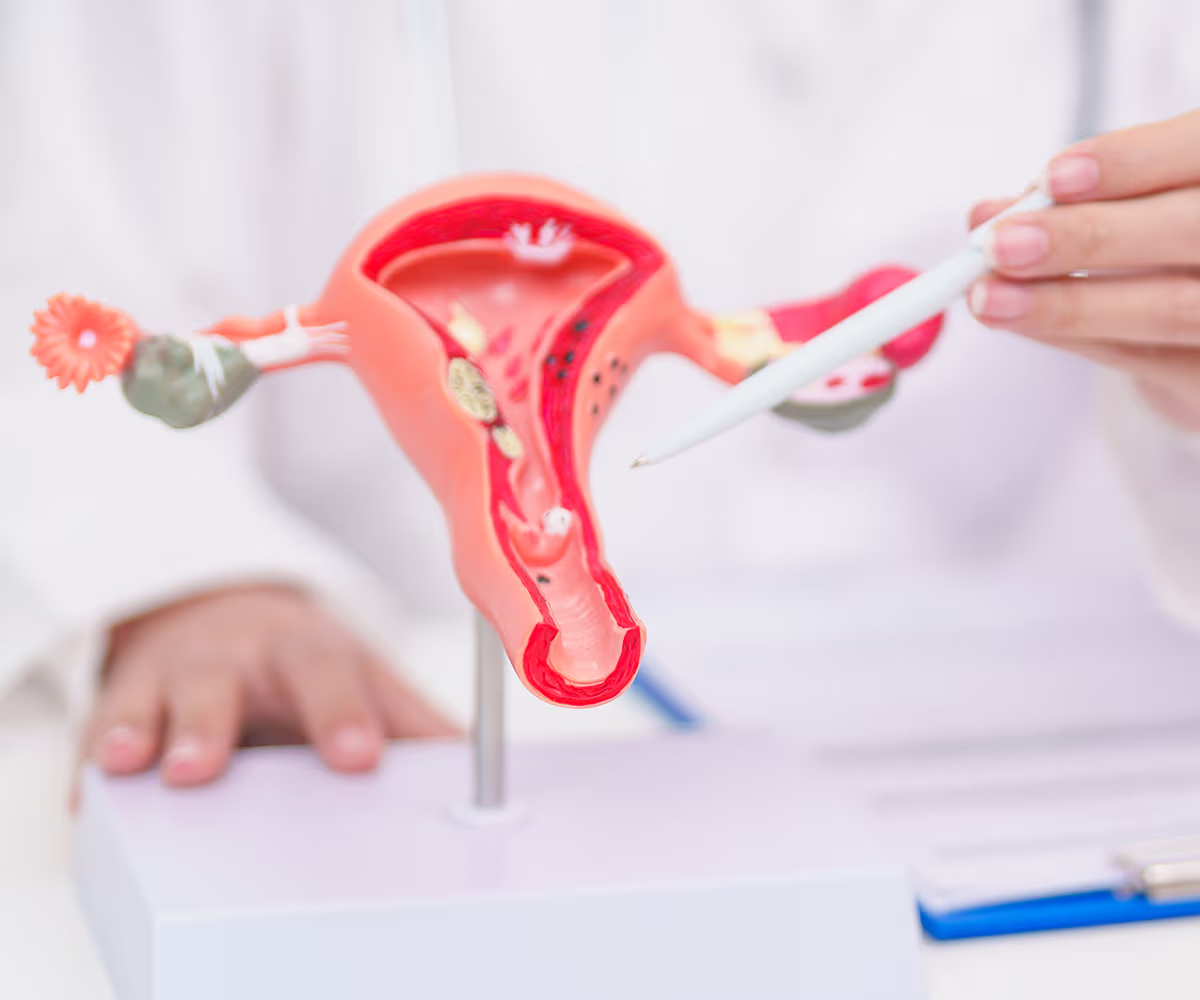
Robotic & Vaginal Hysterectomies: Procedure Overview
A hysterectomy is a surgical procedure to remove the uterus. After a hysterectomy, you will no longer have menstrual periods and cannot become pregnant.
Hysterectomy may be recommended to treat conditions such as:
- Uterine fibroids
- Heavy or prolonged bleeding
- Endometriosis
- Chronic pelvic pain
- Uterine prolapse
- Precancerous changes or cancer
Depending on your condition, the cervix, fallopian tubes, and/or ovaries may also be removed. There are several surgical approaches, including minimally invasive options, and your provider will recommend the safest and most appropriate method for you.
Frequently Asked Questions (FAQ)
What is removed during a hysterectomy?
This depends on the type of hysterectomy:
- Total hysterectomy: Removes the uterus and cervix
- Partial (supracervical) hysterectomy: Removes the uterus but leaves the cervix
- Hysterectomy with salpingectomy: Removes the uterus and fallopian tubes
- Hysterectomy with oophorectomy: Removes the uterus and ovaries
Your provider will discuss which option is best for your medical needs.
Why would I need a hysterectomy?
A hysterectomy may be recommended if other treatments have not relieved symptoms or if a serious condition requires definitive treatment.
Common reasons include:
- Severe fibroids causing pain or bleeding
- Abnormal uterine bleeding
- Pelvic organ prolapse
- Endometriosis
- Gynecologic cancer
What surgical approaches are available?
Hysterectomy can be performed in several ways:
- Vaginal hysterectomy (through the vagina, no external incisions)
- Laparoscopic or robotic hysterectomy (small abdominal incisions)
- Abdominal hysterectomy (larger incision in the abdomen)
Minimally invasive techniques often allow for shorter recovery times.
What Is a Robotic Hysterectomy?
A robotic hysterectomy is a minimally invasive surgical technique in which the surgeon controls robotic instruments from a console to remove the uterus through small abdominal incisions. The surgeon remains in the operating room and directs the robotic arms, which provide enhanced precision and visualization.
Indications for a Hysterectomy:
- Uterine prolapse
- Fibroids
- Abnormal uterine bleeding
- Chronic pelvic pain
- Endometriosis (in select cases)
- Adenomyosis
Benefits Compared With Traditional Open Surgery
Recovery Overview
- Smaller incisions (far shorter than traditional abdominal incisions)
- Less pain and reduced need for pain medication after surgery
- Less blood loss and lower infection risk
- Shorter hospital stays — many patients go home the same day or after one night
- Faster healing and return to normal activity
What Is a Vaginal Hysterectomy?
A vaginal hysterectomy is a surgical procedure to remove the uterus through the vagina rather than through abdominal incisions. Because there are no external cuts, it is considered one of the least invasive hysterectomy approaches and is often associated with faster recovery and fewer complications.
Benefits of Vaginal Hysterectomy
- No external incision or visible scar
- Less postoperative pain
- Shorter hospital stay (often same day or overnight)
- Faster return to normal activities
- Lower risk of wound infection
- Reduced blood loss during surgery
How long does the surgery take?
Surgery typically takes 1–3 hours, depending on the method and complexity.
What type of anesthesia is used?
Hysterectomy is performed under general anesthesia, so you will be asleep during the procedure.
What is recovery like?
Recovery depends on the surgical approach:
Robotic Recovery
- Surgery typically lasts about 2–4 hours, depending on complexity
- Light activity may resume within 24–48 hours
- Many patients return to work in about 2–3 weeks (depending on job type)
- Full recovery commonly occurs within 4–6 weeks (some may take up to 6–8 weeks)
- Heavy lifting should be avoided for about 6 weeks
Vaginal Recover
- Walking encouraged within 24 hours
- Light activity in 1–2 weeks
- Return to work (non-strenuous jobs): 2–3 weeks
- Avoid heavy lifting for 4–6 weeks
- No intercourse, tampons, or vaginal insertion for 6 weeks
- Full internal healing: about 6 weeks
Will I go into menopause after a hysterectomy?
It depends:
- If your ovaries are removed, you will enter menopause immediately.
- If your ovaries remain, you will not enter menopause as a result of surgery.
Your provider will discuss the risks and benefits of removing or preserving your ovaries.
Will a hysterectomy affect my hormones?
Hormones are only affected if the ovaries are removed. If the ovaries are preserved, hormone production continues.
Will I still have periods?
No. After a hysterectomy, menstrual periods stop permanently.
Will hysterectomy affect my sex life?
Most patients resume normal sexual activity after recovery. Many report improved quality of life due to relief from pain or heavy bleeding. Sexual function is generally not negatively affected.
Are there risks with hysterectomy?
As with any surgery, risks may include:
- Bleeding
- Infection
- Injury to nearby organs (bladder, bowel, ureters)
- Blood clots
- Anesthesia complications
Your provider will review all risks and benefits before surgery.
Is hysterectomy permanent?
Yes. Hysterectomy is a permanent procedure and eliminates the ability to become pregnant.
Is hysterectomy covered by insurance?
Most insurance plans cover hysterectomy when medically necessary. Coverage varies by policy, and our office can help verify your benefits.
When should I call my provider after surgery?
Contact your provider if you experience:
- Fever over 100.4°F
- Heavy bleeding
- Severe abdominal pain
- Signs of infection
- Shortness of breath or leg swelling